Events
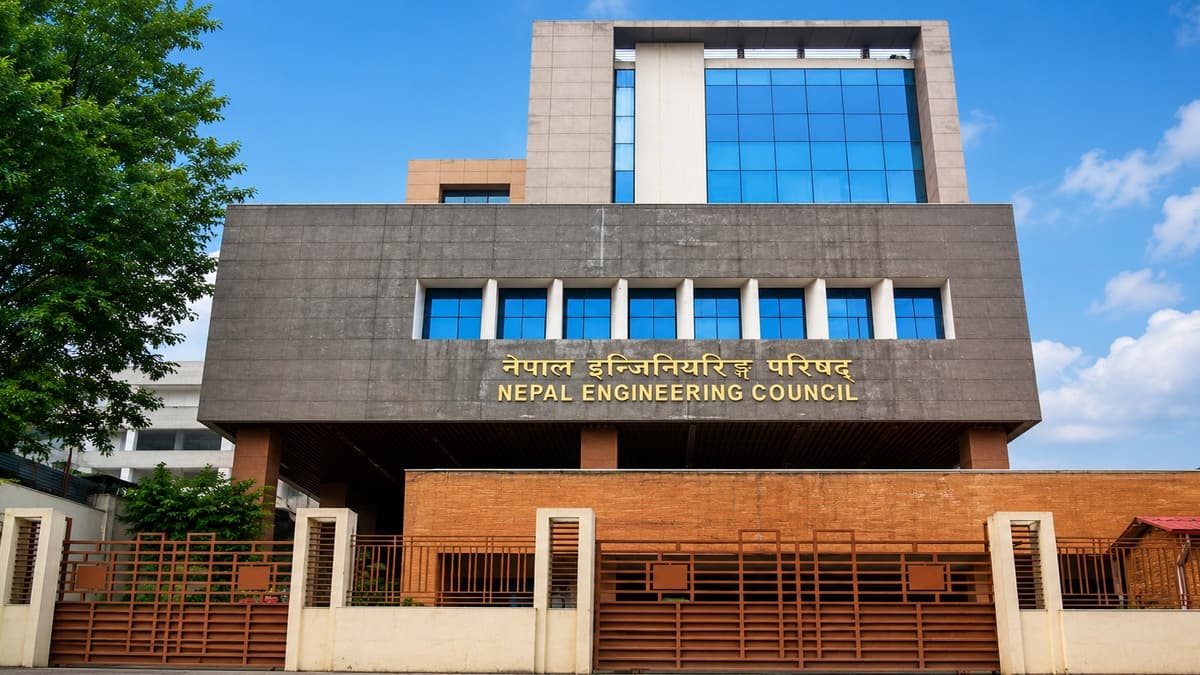
Nepal Engineering Council (NEC) Established in 1999 (AD) pursuant to the Nepal Engineering Council Act, 2055, the NEC operates as the governing statutory body regulating engineering education, professional registration, and practice across Nepal.
Functions and Duties
- 1
Policy & Strategy:
Formulate and implement policies, plans, and programs to regulate and advance the engineering profession.
- 2
Institutional & Program Recognition:
Evaluate and accredit engineering institutions, academic curricula, degree titles, and student enrollment criteria.
- 3
Licensing & Assessment:
Set professional qualification standards, conduct licensing examinations, and issue engineering practice certificates.
- 4
Ethics & Regulation:
Enforce the professional code of conduct and revoke registrations in cases of non-compliance or violations.
- 5
Quality Assurance & Advisory:
Monitor institutional infrastructure and academic standards, recommending corrective actions or approval cancellations to universities and government bodies.
- 6
Professional Development & Growth:
Conduct training, research, seminars, and practical education programs to enhance professional competence and protect engineers' interests.